
Material
Look beyond the label.
TPE and silicone are chemistry families, not performance categories. What a user feels comes from the formulation, the wall thickness, the geometry and the textile.
- Challenge
- A material family name is used as if it described performance. Two products in the same family can behave nothing alike.
- Why it matters
- Formulation, thickness, geometry and textile explain most of what a user feels. The family name explains very little.
- Our approach
- Every Nord° Formula is a defined blend with a documented purpose, paired with a specified textile and wall thickness.
- Evidence
- Formulation data, textile specification and long-term load testing.
- Next step
- Compare formulas across the range
The four variables
What we specify, in the order it usually matters.
01
Formulation
The blend and its purpose: cushioning, control, durability, or a balance stated explicitly.
02
Wall thickness
Where material is added and where it is deliberately removed to keep flexion available.
03
Geometry
Conicity and profile matched to rectified limb shape, not to a nominal size ladder.
04
Textile
How the outer fabric stretches, recovers and behaves after months of wear and washing.
Reading a formula code
A Nord° code is a specification, not a marketing name.
- The formula code identifies the blend and its intended behaviour.
- The number that follows relates to the product's hardness and thickness profile.
- The same formula used in a different thickness is a different product experience — so we publish both.
- If we change a formulation, it gets a new code. We do not silently reuse one.
We describe what a blend is designed to do, and we avoid superlatives we cannot measure.
Formulas in production
Where each formula is used today.
NF-34 custom blend TPE
All types of activities
NF-29 custom blend TPE
Everyday activities excluding sports
NF-53 custom blend HQ TPE
All types of activities
NFA-50 HQ TPE
A variety of TF socket designs and production techniques
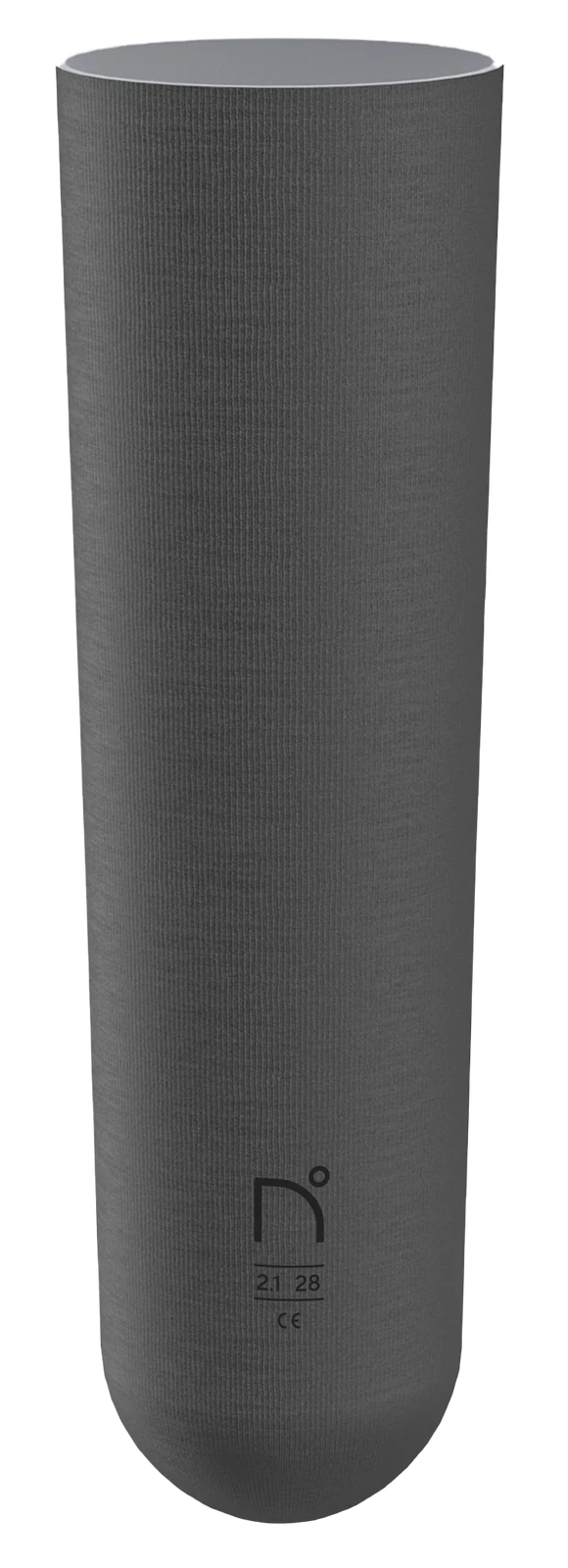
Nord° Liner 2.1 NF-34
A 3 mm TT cushion liner that retrofits one of the most common standard profiles on the market.
- Formula
- NF-34 custom blend TPE
- Intended for
- All types of activities
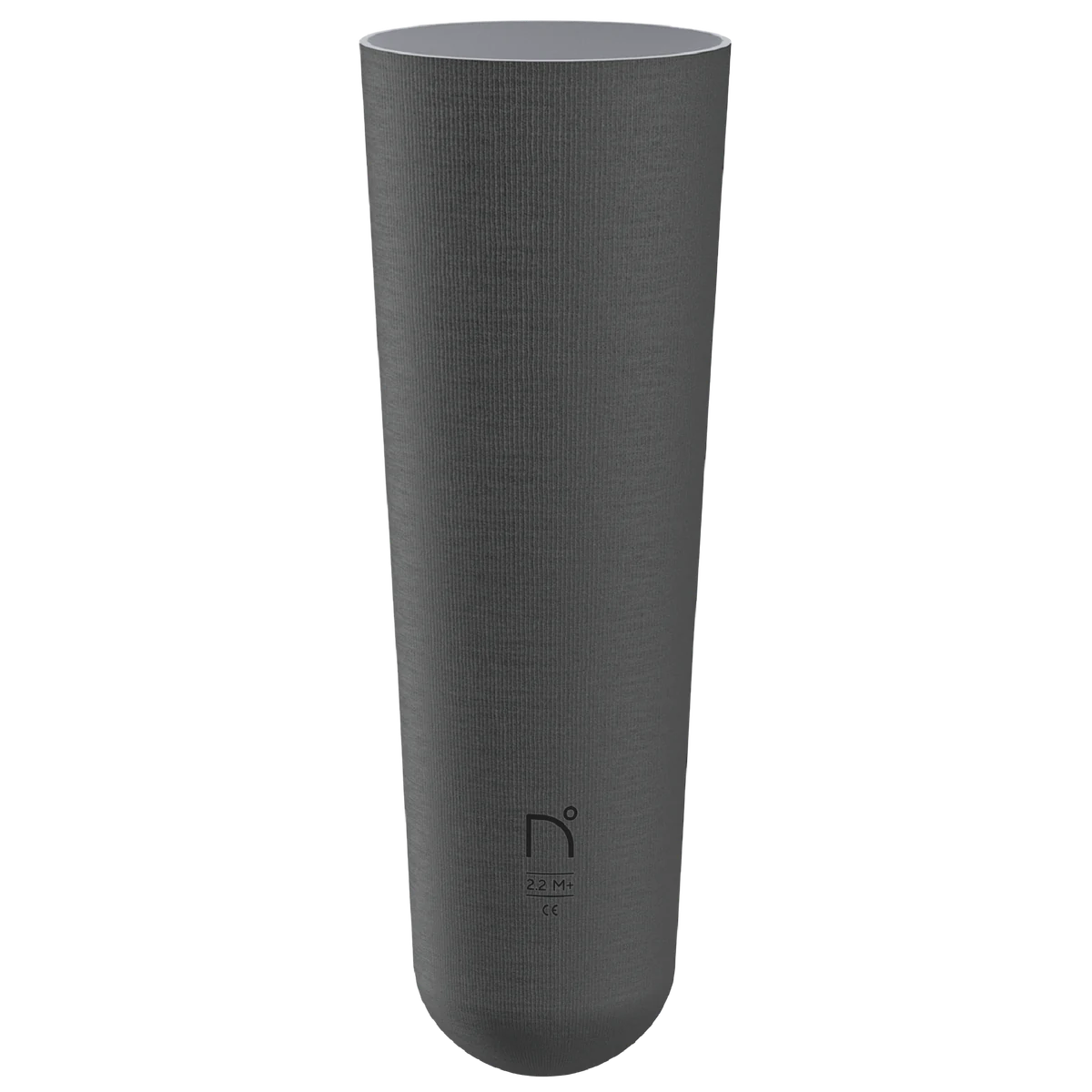
Nord° Liner 2.2 NF-29
A 6 mm uniform TT cushion liner that retrofits a commonly used profile, with a softer feel.
- Formula
- NF-29 custom blend TPE
- Intended for
- Everyday activities excluding sports
Nord° Liner 2.2 NF-34
The same 6 mm uniform TT geometry as the NF-29, formulated for a slightly firmer response.
- Formula
- NF-34 custom blend TPE
- Intended for
- All activities. Users preferring a slightly firmer feel