
For users
You feel the details before anyone can measure them.
If sitting down, standing up or a full day of walking takes more effort than it should, that is information. This page explains what a liner does, what is worth noticing, and how to describe it so something can be changed.

What a liner does
Three jobs, at the same time, all day.
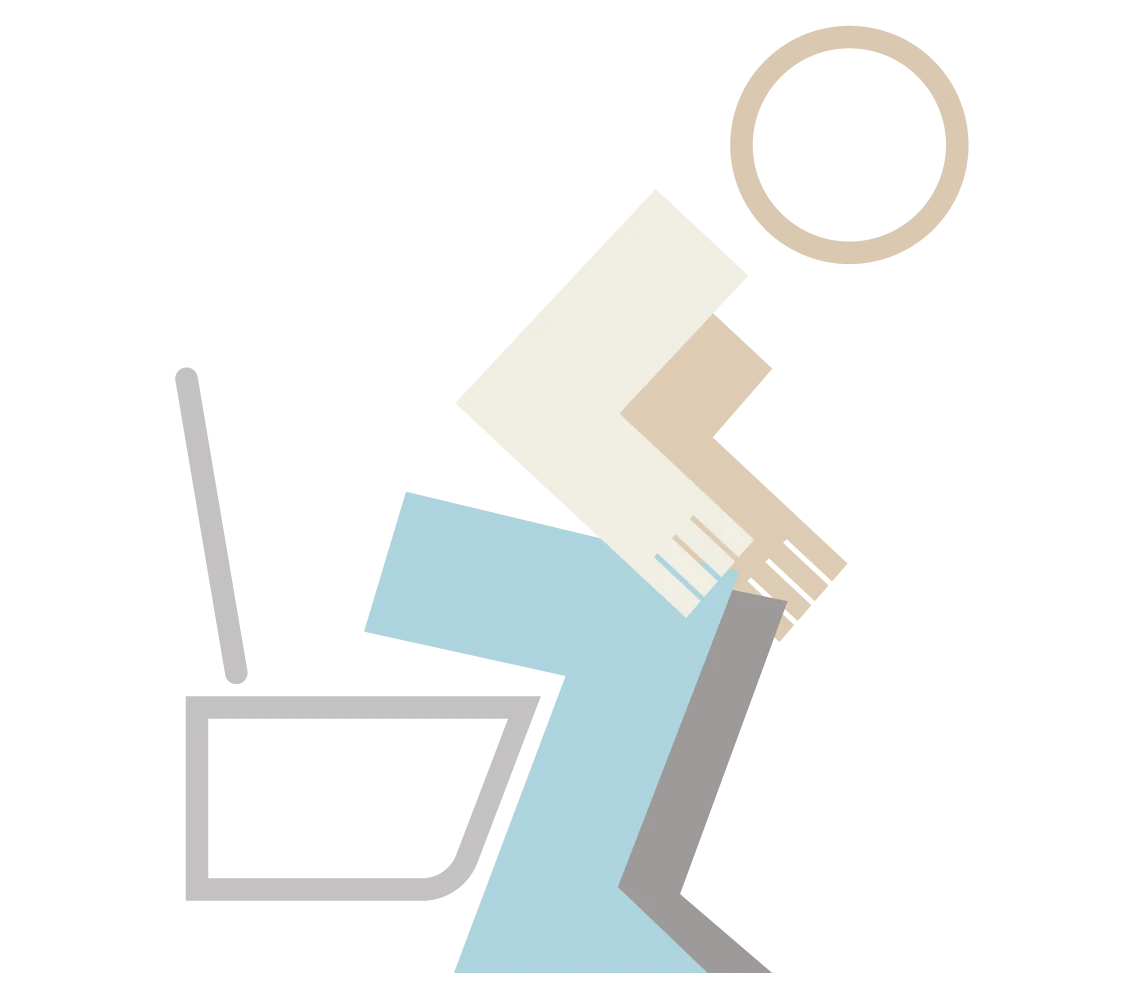
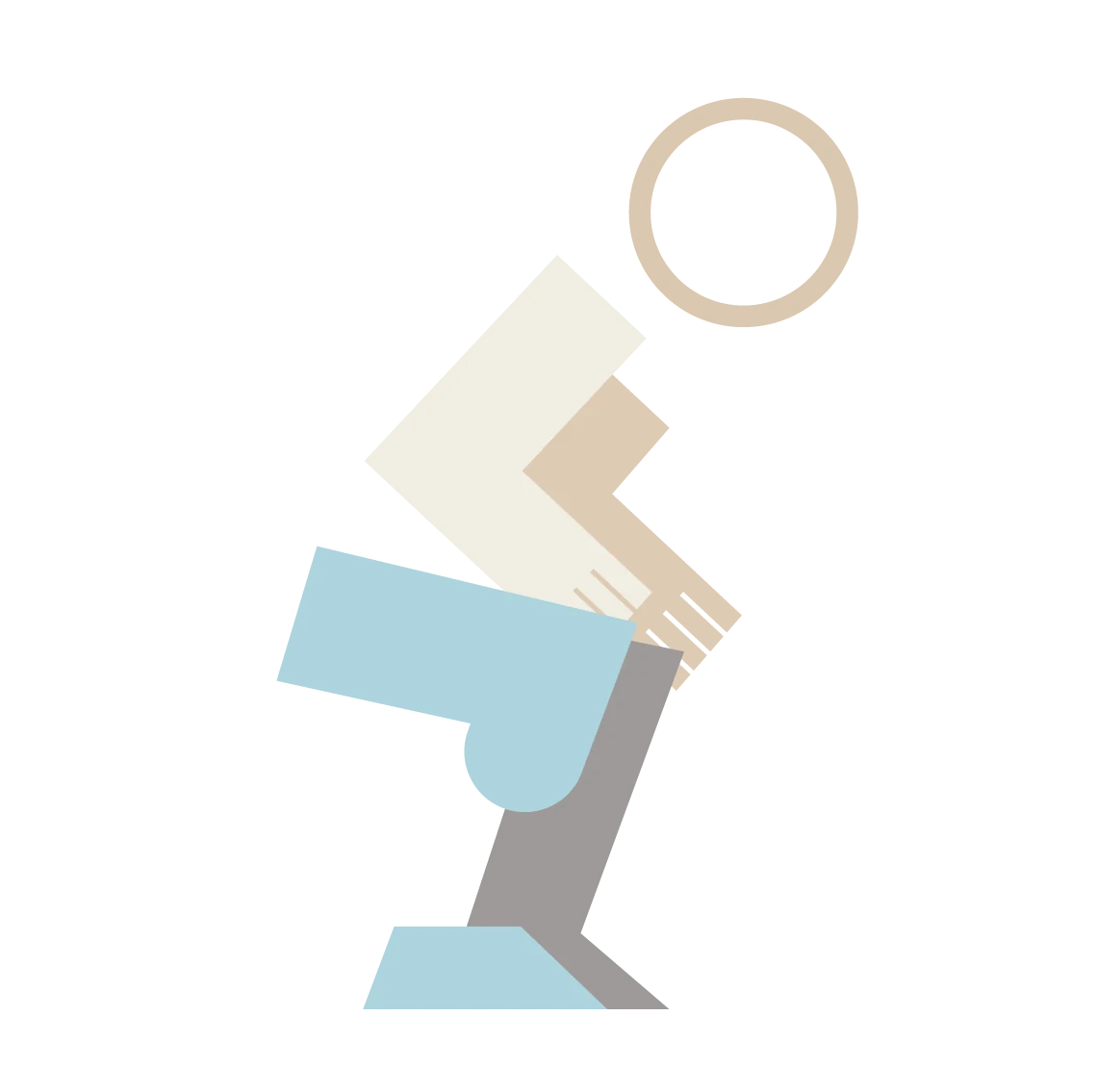
It protects your skin from load and shear. It holds a stable connection between your limb and the socket. And it has to bend with you without pulling behind the knee at the end of the movement.
Those three jobs pull in different directions. Thicker material protects more but can restrict flexion. A firmer grip holds better but can shear the skin. The right answer depends on your limb, your day and your socket — which is why there is no single best liner.
What to notice
Small observations are the most useful thing you can bring.
You do not need technical language. Time, place and movement are enough.
When
- First hour of the day, or late afternoon?
- After sitting still, or after walking?
- Worse on warm days?
Where
- Behind the knee at full bend.
- At the end of the limb, under load.
- Along the front edge of the shin bone.
What kind
- Pressure that fades, or pain that stays.
- Rubbing and warmth, or pinching.
- A feeling of being pulled off the limb.
Questions to ask
Bring these to your next appointment.
- Which movement are we trying to improve, and how will we know if it worked?
- What are we changing this time — thickness, size, formula, or the sleeve?
- Are we changing more than one thing at once?
- How long should I give this before we judge it?
- If it does not work, what is the next option?
The person who wears the prosthesis has the best data. Our job is to make that data easy to hand over.
Common situations
If something does not feel right.
Possible causes, questions to check, and a sensible next step. This is information, not a diagnosis — a change should always be made with your prosthetist.
The socket or liner rotates during walkingAll
Possible causes
- Size selected on a single measurement point
- Reduced volume during the day
- Seal or membrane placement
- Textile stretched beyond intended range
Check questions
- Was the size checked at both measurement points for this product?
- Does rotation increase later in the day?
- Is the sealing membrane sitting where it was fitted?
- Has the same liner been in use beyond its expected service life?
Recommended next step
Bring the observation to your clinic and describe when rotation happens, not only that it happens. Clinicians: re-measure before changing size.
Redness or pressure marks at the proximal edgeAll
Possible causes
- Edge loading at the brim or sleeve edge
- Downsizing beyond intended fit
- Skin sensitivity to lotion or cleaning residue
- Donning technique folding the textile
Check questions
- Where exactly is the mark, and how long does it stay after doffing?
- Was the product downsized to improve stability?
- Has any cleaning product or lotion changed recently?
- Is the textile folding during roll-on?
Recommended next step
Marks that do not fade within about 20 minutes should be assessed by a clinician before continued use.
Sweat and heat build-up during the dayuser
Possible causes
- Activity level and ambient temperature
- Textile saturation
- Cleaning routine
- Sock layering
Check questions
- Does the build-up follow specific activities or the whole day?
- Is the liner fully dry before donning?
- How often is the textile washed, and with what?
Recommended next step
Start with the cleaning and drying routine, then discuss options with your prosthetist rather than changing size first.
Knee flexion feels effortful at end rangeAll
Possible causes
- Sleeve or liner thickness at the popliteal region
- Size selected for stability rather than range
- Product geometry not matched to the activity profile
- Socket edge interaction
Check questions
- Is the effort present when sitting, on stairs, on a bike, or all three?
- Was size chosen to solve a suspension problem?
- Which product profile is in use, uniform or tapered?
Recommended next step
Change one variable at a time and document it. We publish cases using exactly that method.
User experiences
What changed, in real fittings.
Ask us
You can write to us directly.
We cannot prescribe or fit a product for you, and we will not pretend otherwise. We can explain what a product does, what size logic applies, and what to discuss with your clinic.